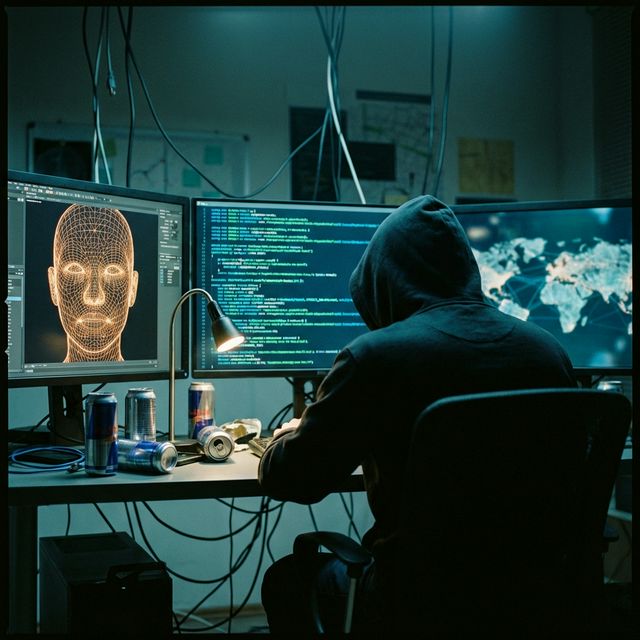
Every time you look into your smartphone camera to verify your age, you are participating in a massive, global data transaction. For the user, it’s a momentary inconvenience to access a restricted site. For the data broker, it’s digital gold. Welcome to the biometric black market.
The Illusion of Ephemeral Data
Age verification vendors often claim that biometric data, such as face scans or "video selfies," are ephemeral—meaning they are instantly deleted after analysis. However, history tells a different story. In the race to train better AI models, data is the ultimate currency.
Even if the raw image is discarded, the biometric template (the mathematical map of your face) is frequently retained. This template is what allows facial recognition systems to identify you in a crowd, unlock your phone, or track your movements across the internet.
How Data Breaches Fuel the Black Market
No system is impenetrable. When age verification vendors are breached, the fallout is catastrophic because biometric data is immutable. You can cancel a credit card or change a password, but you cannot change your face.
On dark web marketplaces, massive databases of biometric templates linked to real names, IP addresses, and browsing histories are sold to the highest bidder. Buyers range from organized crime syndicates facilitating identity theft to state-sponsored actors conducting espionage.
The Hidden Cost of Compliance
As governments worldwide pass aggressive age verification laws, they are inadvertently creating centralized honey-pots of sensitive data. Companies are forced to collect more information than they want or need, simply to comply with opaque regulatory frameworks. This creates a systemic vulnerability.
- Identity Synthesis: Hackers use stolen biometric templates to create "deepfake" identities, bypassing banking security and other critical systems.
- Cross-Referencing: Stolen face scans are cross-referenced with leaked social media data, stripping away any remaining anonymity a user might have had.
- The Silent Sale: Even in the "legal" market, companies hidden in the fine print of terms-of-service agreements aggregate and sell your biometric profile to advertisers.
Starve the Market. Protect Your Face.
The only way to ensure your biometric data doesn't end up on the black market is to never provide it in the first place. PrivacyPuppet lets you interface with 3D liveness checks using an anonymous, interactive digital avatar.
Secure Your Identity →Conclusion: A Zero-Trust Approach to Your Face
As digital surveillance intensifies, we must adopt a zero-trust policy toward our biometric data. If a service demands your face, assume it will eventually be compromised. By utilizing privacy-preserving tools like AI avatars, you can navigate the digital world without sacrificing your most immutable asset to the black market.